How To Stop Making Mistakes in Escape Rooms

The clock is ticking. You're so close to escaping. Then... time's up!
Afterwards, it's painfully clear where things went wrong: the puzzle you overthought, the clue you missed, the minutes wasted going in circles. Worst of all? You never got to see how the story ends.
If that sounds familiar, you're not alone. Many players, especially beginners, fall into a few common traps. The good news? These mistakes are not only common, they're also easy to fix once you know what to look for.
In this guide, we'll take you through the biggest escape room mistakes and show you exactly how to avoid them so next time, you don't just get close… you actually make it out!

1. Forget the 'Lone Wolf' Approach
Escape rooms are designed for collaboration. When one person goes rogue and tries to solve everything alone, or when players split up and work in silence, progress almost always slows down.
Puzzles can be linear, with each one serving as a clue for the next, or non-linear, where multiple can be solved at the same time. But in either case, in narrative-driven escape rooms such as The Anatomist and The Deacon's Cabinet at Escape the Past, they all serve to further the story.
This means that working together, combining your findings and solving puzzles as a team will not only help you beat the clock, but will also ensure you get the most out of the experience.
Sure, the most successful teams will divide and conquer, but they also communicate their findings and regroup frequently to pull all the pieces together.
2. Stop Overthinking the Puzzles
A common mistake many teams make is assuming that puzzles are more complex than they actually are and losing time chasing an unlikely solution down strange and obscure rabbit holes!
Overthinking can cost valuable time and may cause you to overlook some more obvious answers that were staring you in the face the whole time.
Good puzzles aren't there to trick you; they should always make logical sense in the context of the room and the story. They shouldn't require much (if any) outside knowledge or special abilities.
If something starts to feel too complicated, it's worth taking a step back. Enlist the help of other group members and try looking at it from a slightly different perspective. Ask yourself: 'What am I missing here?' 'Is there a simpler solution?'.
Remember it could be that you're still missing some vital piece of information that will help everything else fall into place. If an answer still isn't forthcoming, try focusing on something else and re-visiting the puzzle a little later.
3. Don't Stay Silent When You've Something to Share
In an escape room, communication is key!
If you've found something, even if you're not sure it's important, say it out loud! Don't be afraid to repeat information, call out patterns, and share anything that might matter. What seems insignificant to you could be the missing piece someone else needs.
When communication breaks down, so does progress. Teams miss connections, duplicate efforts and re-tread the same old ground. This is especially true in larger groups, where information can easily get lost if it's not shared clearly. There's nothing more frustrating than wasting valuable time on a puzzle that turns out to have already been solved!
The best teams are the most vocal. They constantly update each other, build on ideas, and keep everyone moving forward together. Plus, the more you communicate the more collaborative, exciting, and immersive the whole experience becomes.
4. Don't Be Too Proud to Ask for Hints
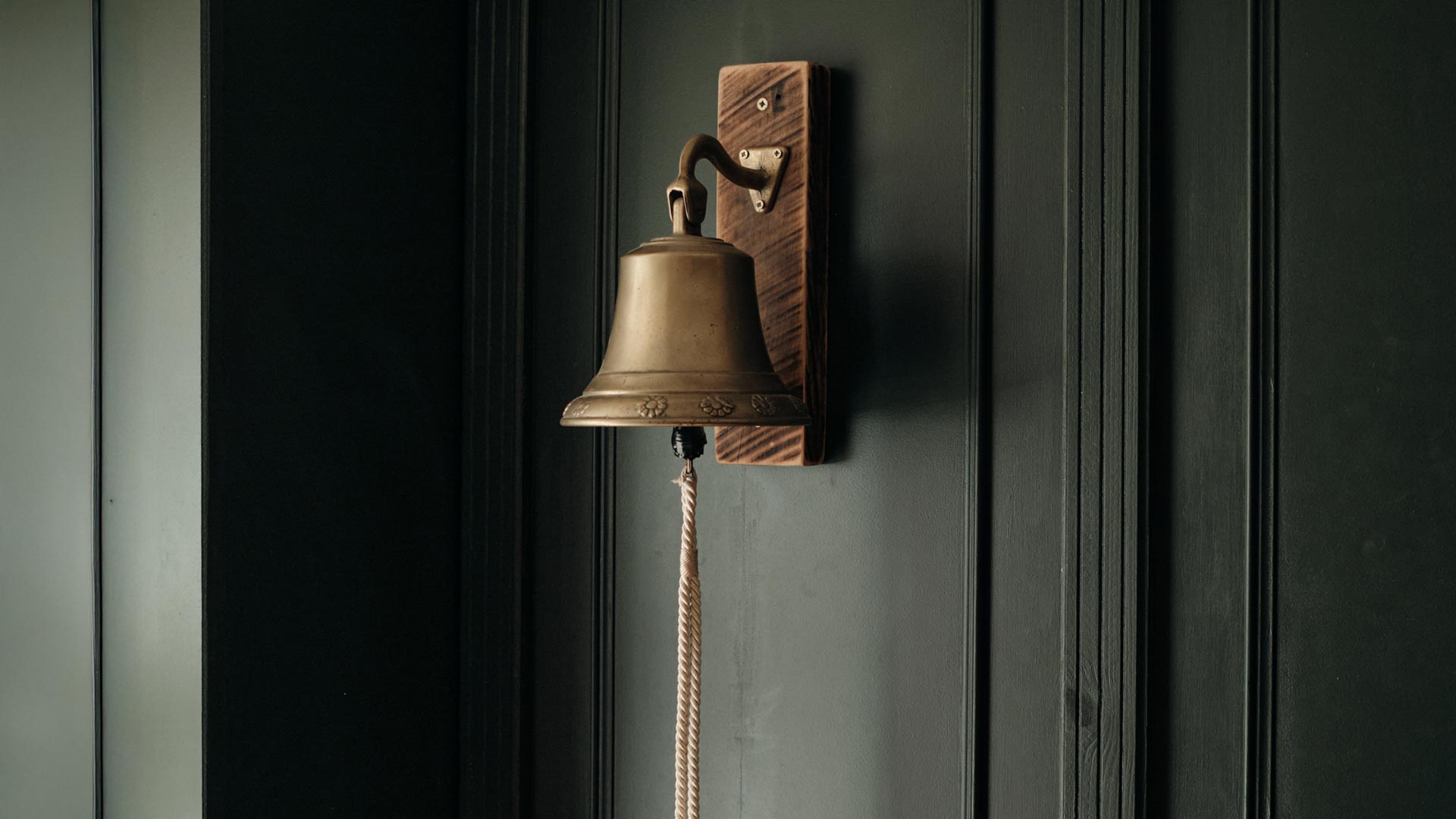
If you're ever really stuck on a puzzle or if you feel the energy in the room is starting to slip — don't be afraid to ask for help. There's absolutely no shame in it and it's something most escape room companies actively encourage as it helps to keep the experience fun and energising.
In almost every escape room, you will have a button, intercom, or other method to ask for extra clues.
Gamesmasters are trained to never give you the entire answer to a puzzle, but they will give you an extra nudge along on the right path. Some escape rooms will wait until you specifically ask for assistance, while others may subtly interject if they see you struggling.
At Escape The Past, we find that most teams need at least a little assistance to complete their experience. Our gamesmasters are trained actors and will give you clues in character to keep you fully immersed in the story. If you'd prefer to play without any help, that's fine with us, but the option is always there if you need it.
5. Avoid Letting Chaos Take Over
At the start it can be tempting to rush to get stuck in. We get it. The clock is ticking, the excitement is building, and you're eager to get started.
But while this might feel productive, it can often lead to chaos. Everyone searching at once, grabbing clues, trying to solve things as quickly as possible. Before long, items get scattered, clues are forgotten, and with only minutes left, your team is scrambling to piece everything together under pressure.
Instead, take a moment to get organised. Set up a designated "home base" where all discovered items and solved clues are kept. Agree on a simple approach — who's searching, who's solving, and how will you share information?
A little structure goes a long way and a simple strategy can ensure nothing gets missed, or duplicated, and helps everyone stay focused on the bigger picture. Stay organised, and you'll not only move faster but you'll start spotting connections and patterns more quickly.
Ready to Plan Your Next Escape?
Ready to find out if you can avoid these common mistakes and connect with Edinburgh's darker history? Our thrilling escape rooms and city trails will put your team to the test while immersing you in chilling true stories of Edinburgh's past.